Mariners
Religion, Race and Empire at Lambeth Palace Library
Lambeth Palace Library — the historic library of the Archbishops of Canterbury and archive of the Church of England — preserves records that reveal the Church’s varied relationships with seafaring communities.
Existing outside the established system of parish-based pastoral care, mariners posed a challenge to the traditional methods of mission work. Alongside other Christian denominations, the Church of England adapted its forms of ministry to serve new communities both on shore, waterways and at sea.
Building on the University of Bristol’s travelling exhibition, this display explores encounters between clergy and sailors, the complex connections between trade, empire and religion, and the challenges and dangers of maritime life through records from Lambeth Palace Library’s collections.
Click on each of the links below to explore different themes.
Life At Sea
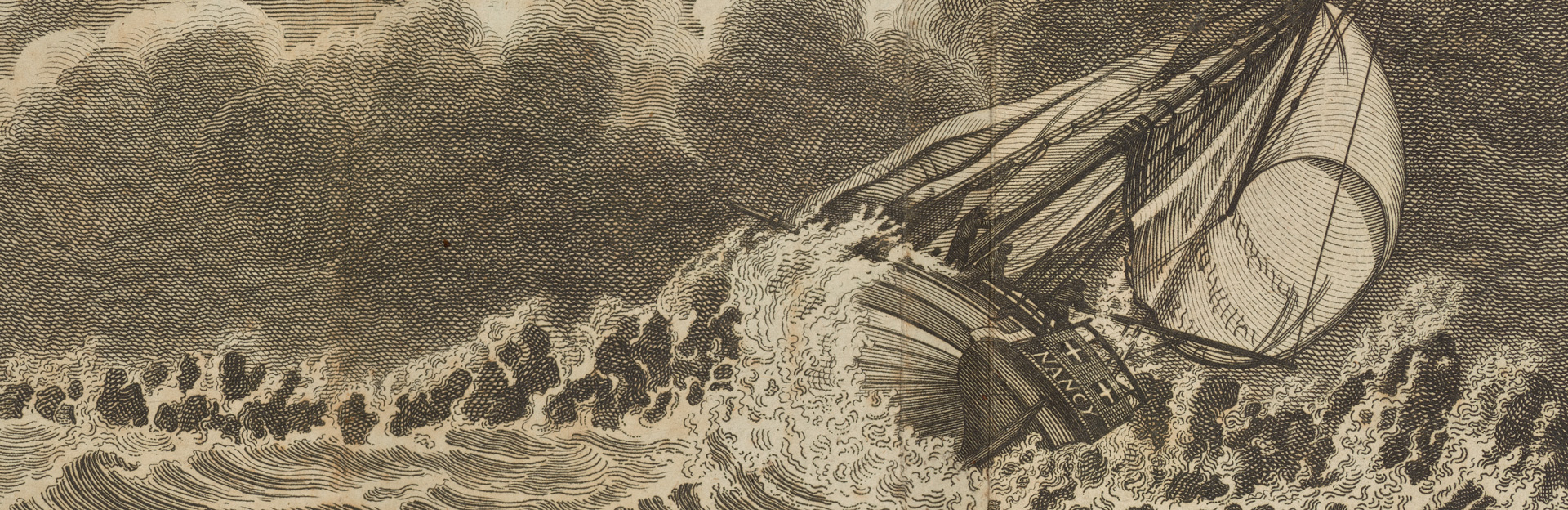
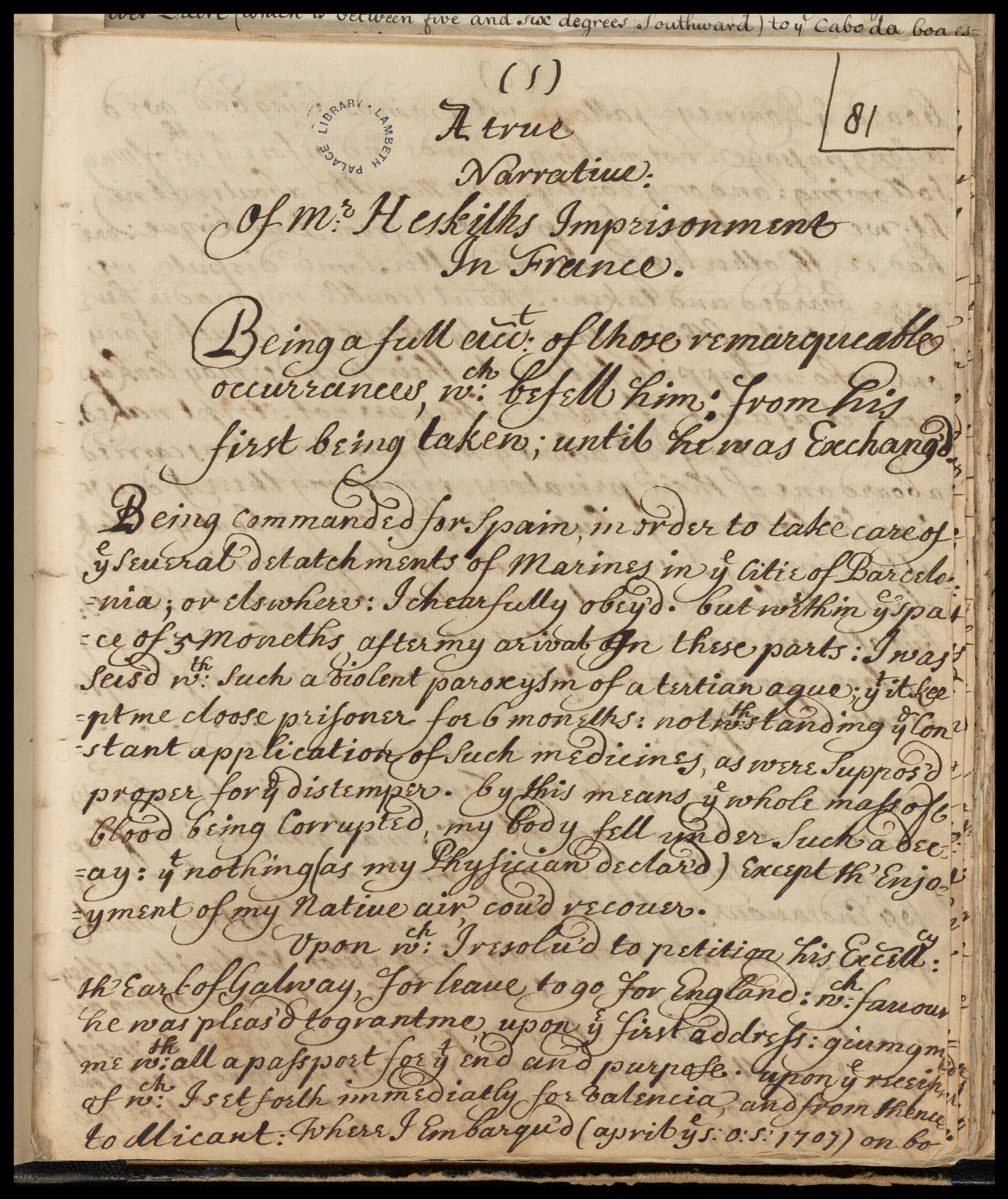
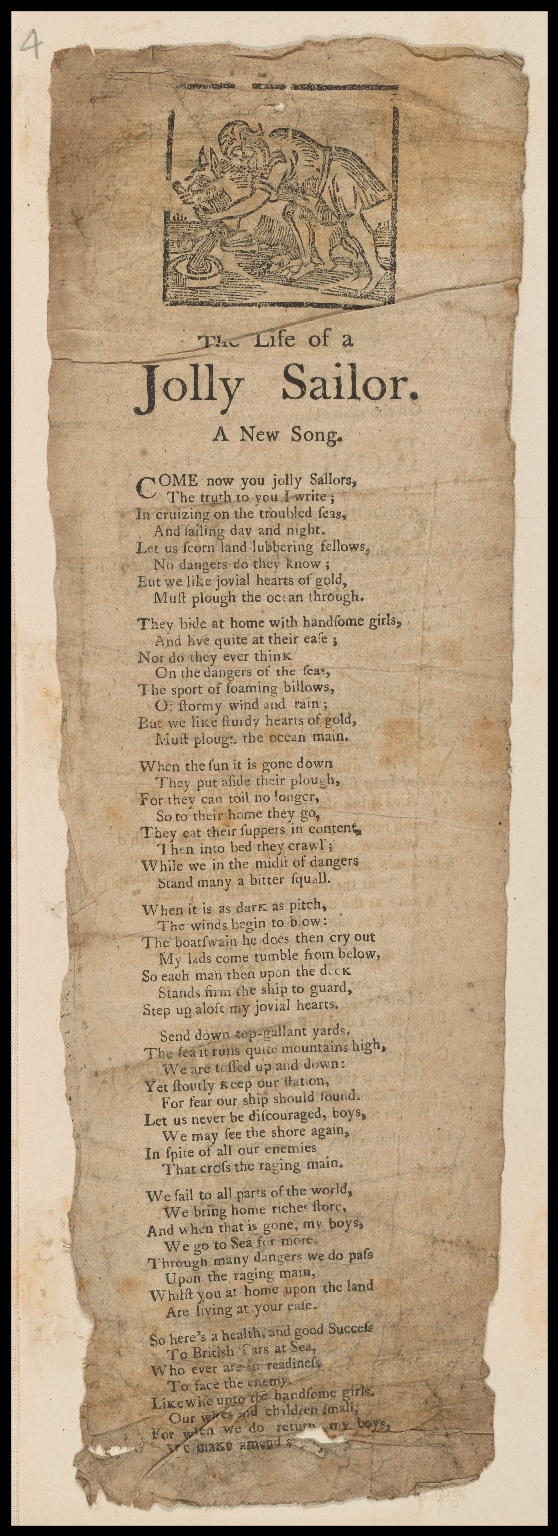
Seafaring enabled travel, exploration, and trade on a global scale. Within the close confinement of a ship, communities developed as crews worked together and passengers kept the same company, often for months at a time. With crews drawn from many countries, life on board was not always harmonious, and tensions and prejudices could erupt. These documents reveal some of the challenges of life at sea.
The age of sail was perilous for sailors and passengers alike. Weather and sickness posed constant dangers, while enemy action was common in times of conflict. The Royal Navy and British Army operated across the world, often in support of imperial and colonialist ambitions. Among those who served alongside military personnel were chaplains, who experienced many of the same conditions at sea.
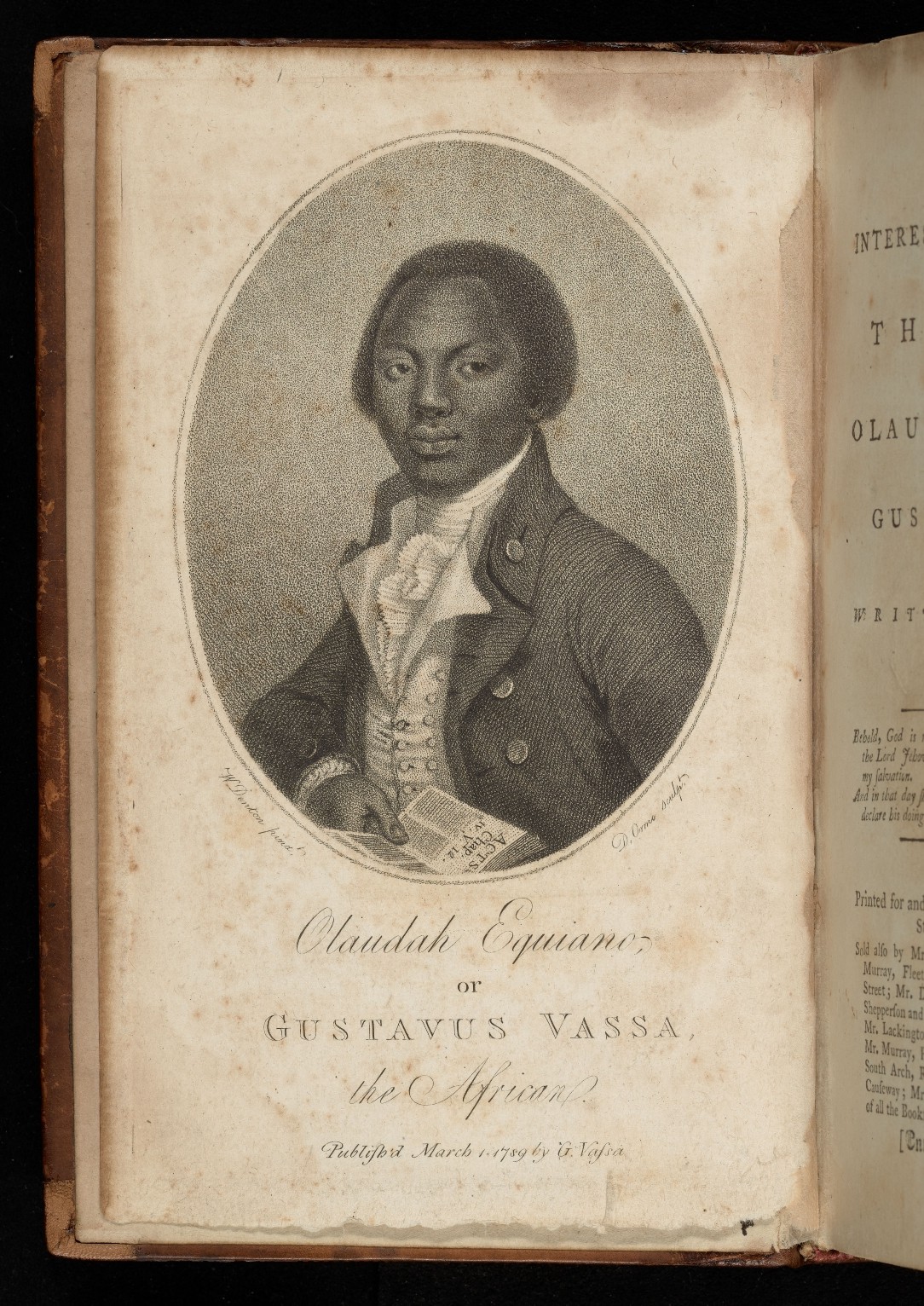
The early modern period saw the height of the transatlantic slave trade, through which millions of African people were captured, enslaved and forcibly migrated across the Atlantic Ocean. The abolitionist Olaudah Equiano, also known as Gustavus Vassa, endured such a voyage before eventually buying his own freedom. He later spent much of his life as a seaman, experiencing sea battles and taking part in an Arctic expedition in search of a northern sea route to India.
Merchants, Mission and Empire
Maritime activity shaped the reach of Christian mission across the world. As vessels travelled to distant regions, networks of British trading stations and imperial outposts developed. This part of the display explores examples of the Church of England’s ministry to the traders, officials and communities whose lives were connected to maritime enterprise.
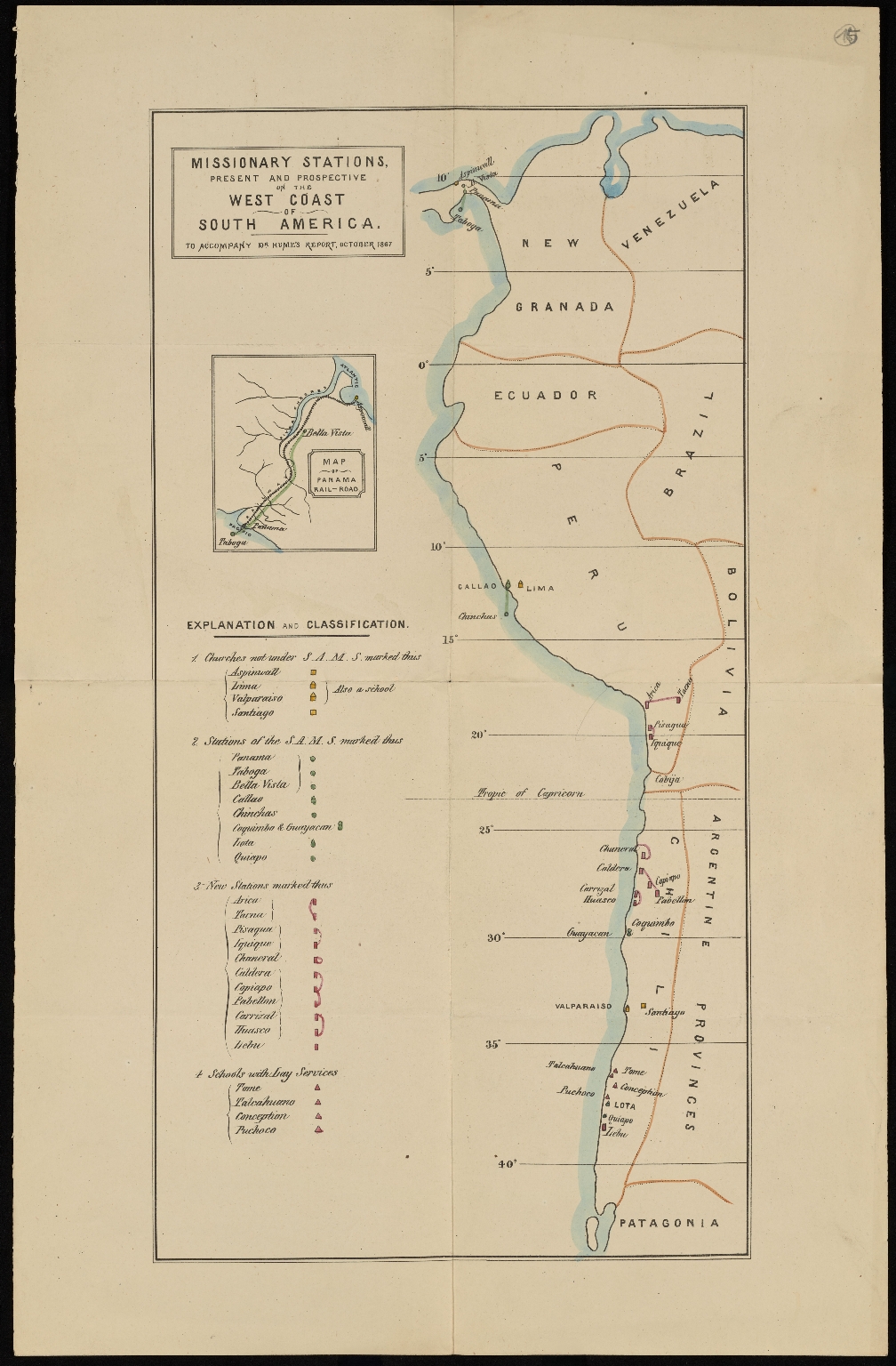
The disintegration of the Spanish Empire in South America in the early nineteenth century created opportunities that British interests were quick to exploit British merchants and naval vessels soon came to dominate the west coast. To meet the spiritual needs of expatriate communities, the Church of England explored the creation of a diocese centred on Valparaíso, a port
‘of very great commercial value, where there is a considerable number of our countrymen of wealth and social influences, and liberality’.
Officially, it became the Diocese of the Falklands, since a bishop could only be consecrated withing a jurisdiction of the English crown.
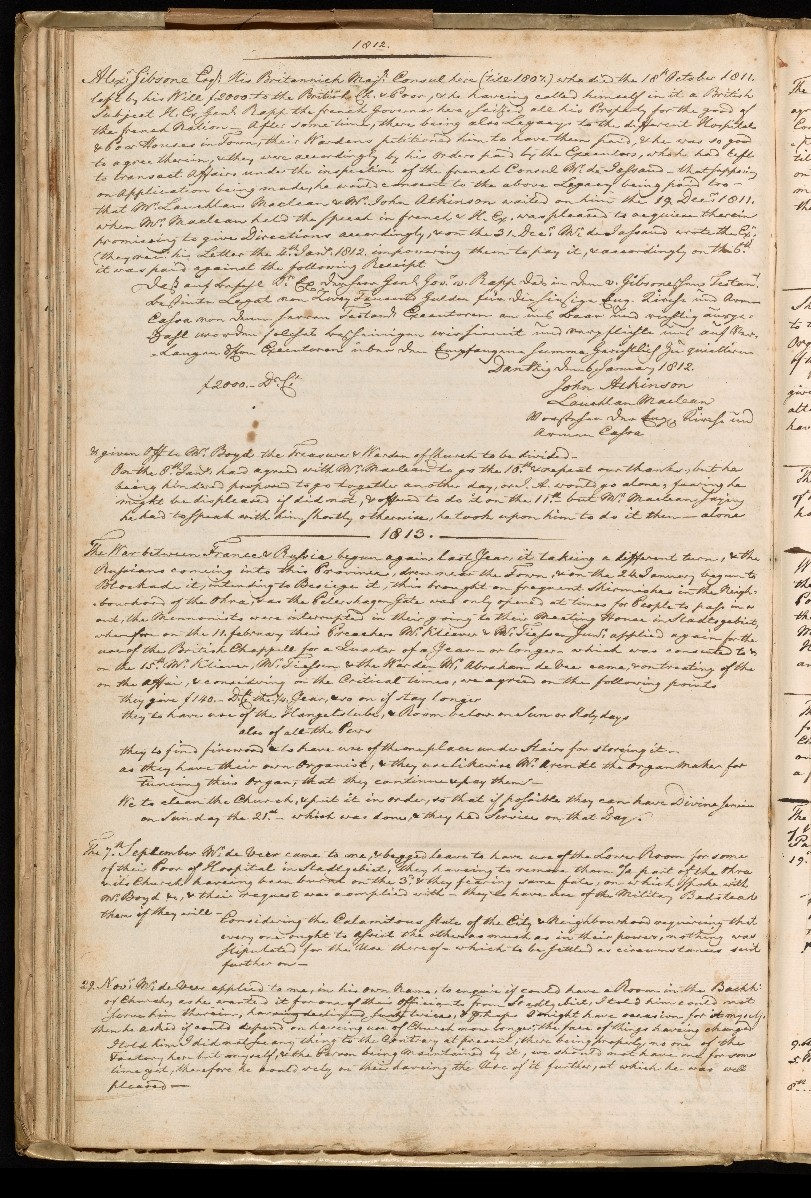
Trade routes with the Baltic states, on the other hand, were well established by the late Middle Ages. By the nineteenth century, Britain relied heavily on the region for products used in the maritime sector, such as timber, tar and hemp. As this trade expanded, communities of English and Scottish merchants settled in the port of Danzig (Gdańsk) in present-day Poland. Initially, they used their premises for both commercial and religious purposes before establishing a dedicated place of worship.
Pastoral Care
‘Are Sailors Too Rough for Christ?’ This question was posed by the Gibraltar Seamen’s Mission in 1909 in response to centuries of negative attitudes towards seafarers. Spending many months at sea, mariners travelled far beyond the reach of the spiritual care of the parish church. Without the guiding hand of local clergy, sailors were often regarded as having coarse manners and being particularly vulnerable to the temptations of drink and the sex trade associated with port communities.
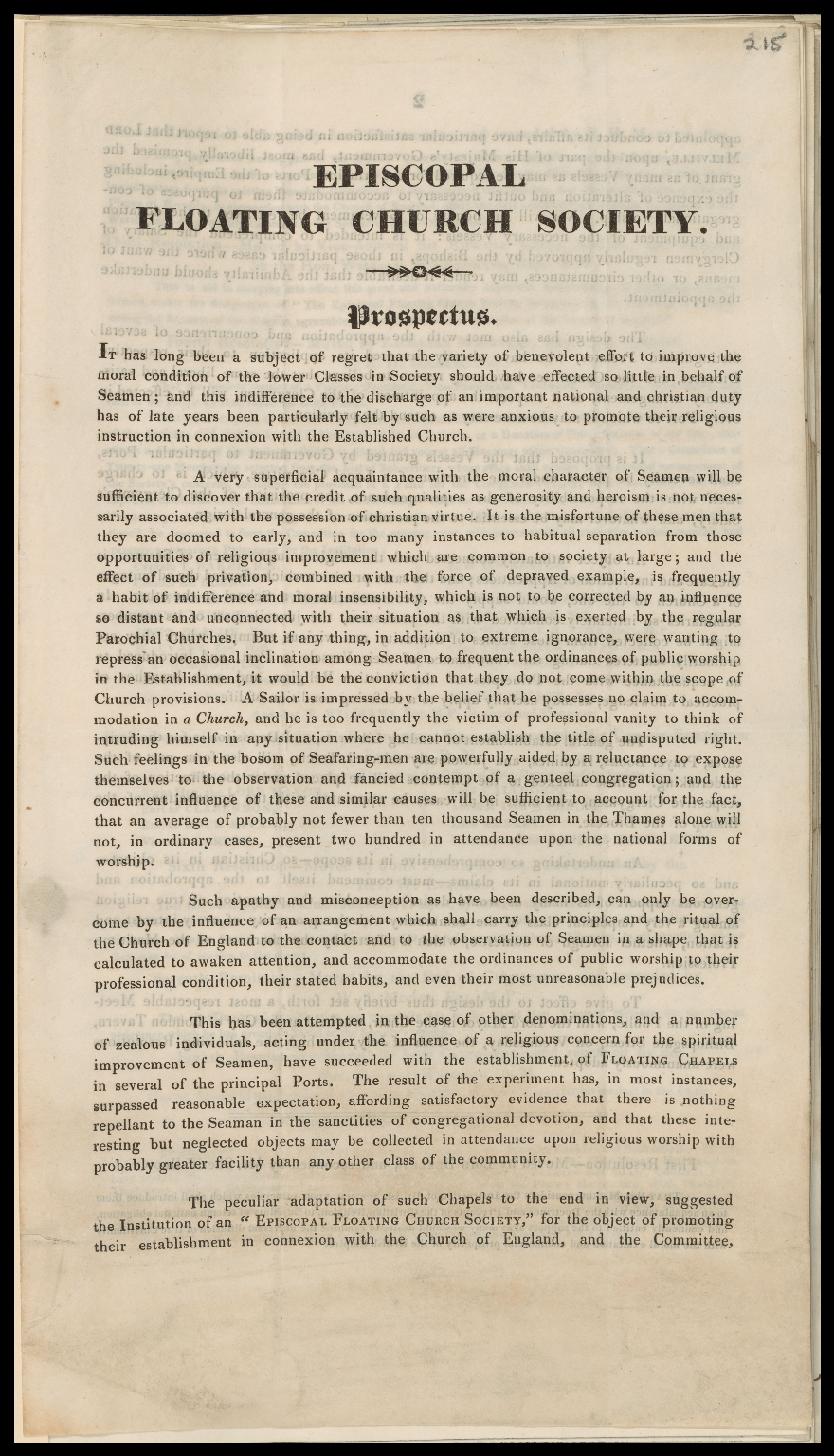
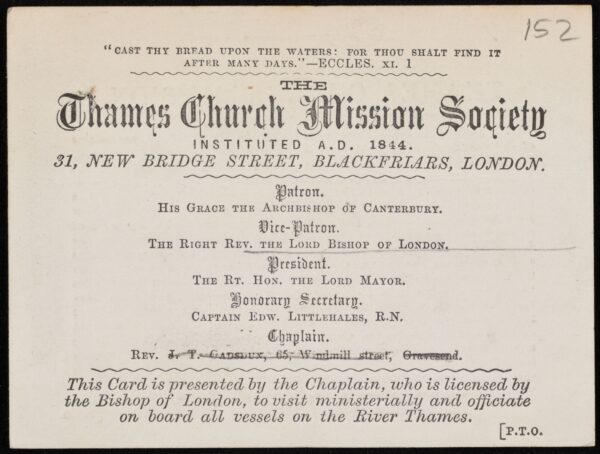
The Royal Navy sought to provide spiritual care through naval chaplains, who were exclusively Anglican. Chaplains could advocate for improved living conditions for sailors as well as care for their spiritual welfare. The merchant fleet was harder to reach, however. Nonconformist churches established floating chapels in the early nineteenth century, followed soon after by the Church of England. Adapted to be places of worship, these vessels offered religious instruction in an environment familiar to mariners.
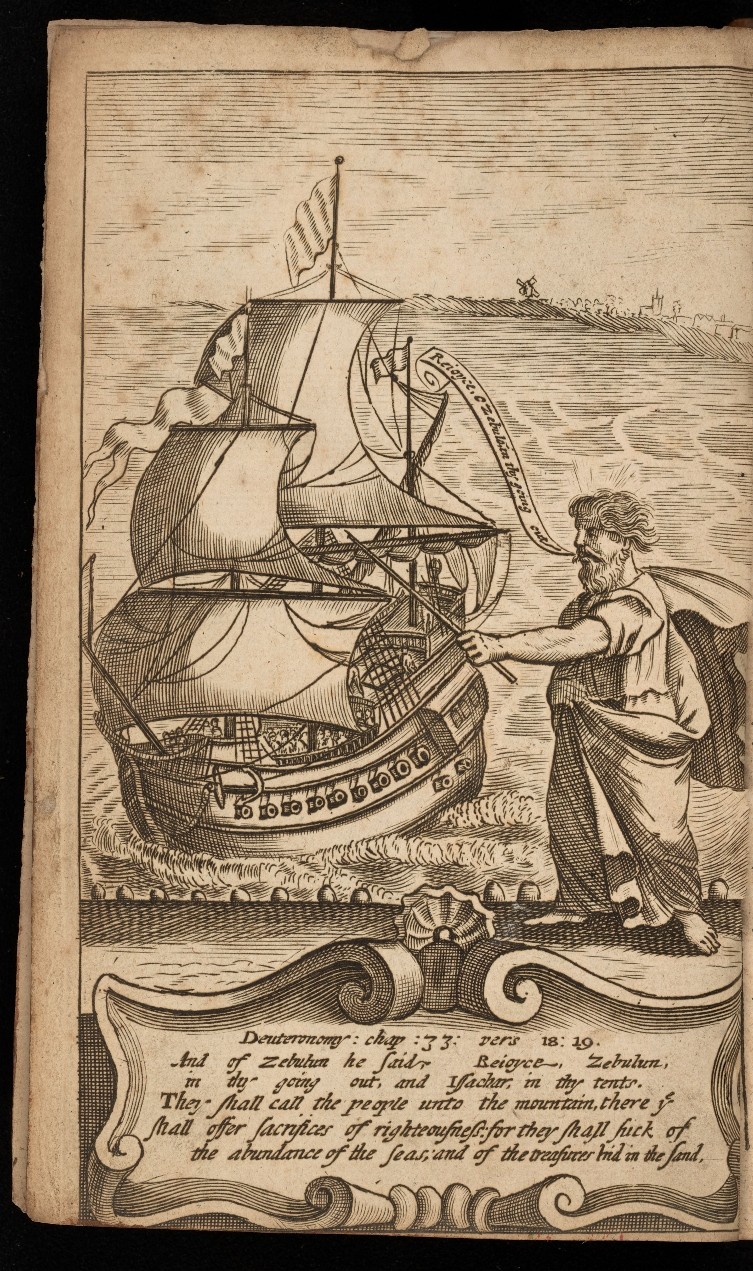
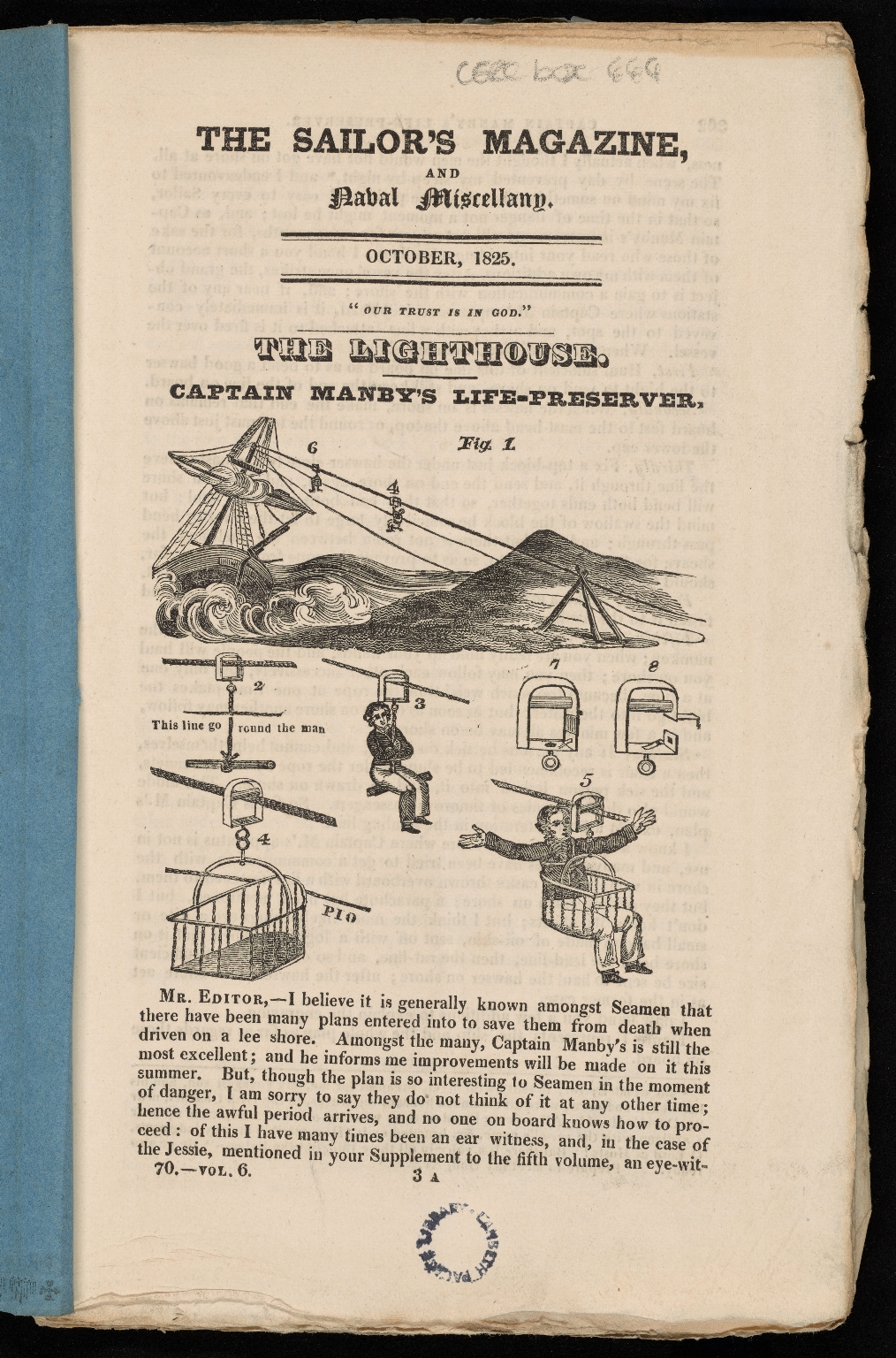
A body of literature developed from sermons and other religious works aimed specifically at seafarers. These texts often drew parallels between the experiences of ships’ crews and stories from the Bible, though their authors were not afraid to add lessons found in biblical texts. While much of this literature was intended to care for the soul, patriotism and courage in the face of battle and other adversities were also important themes.
Samuel Ajayi Crowther
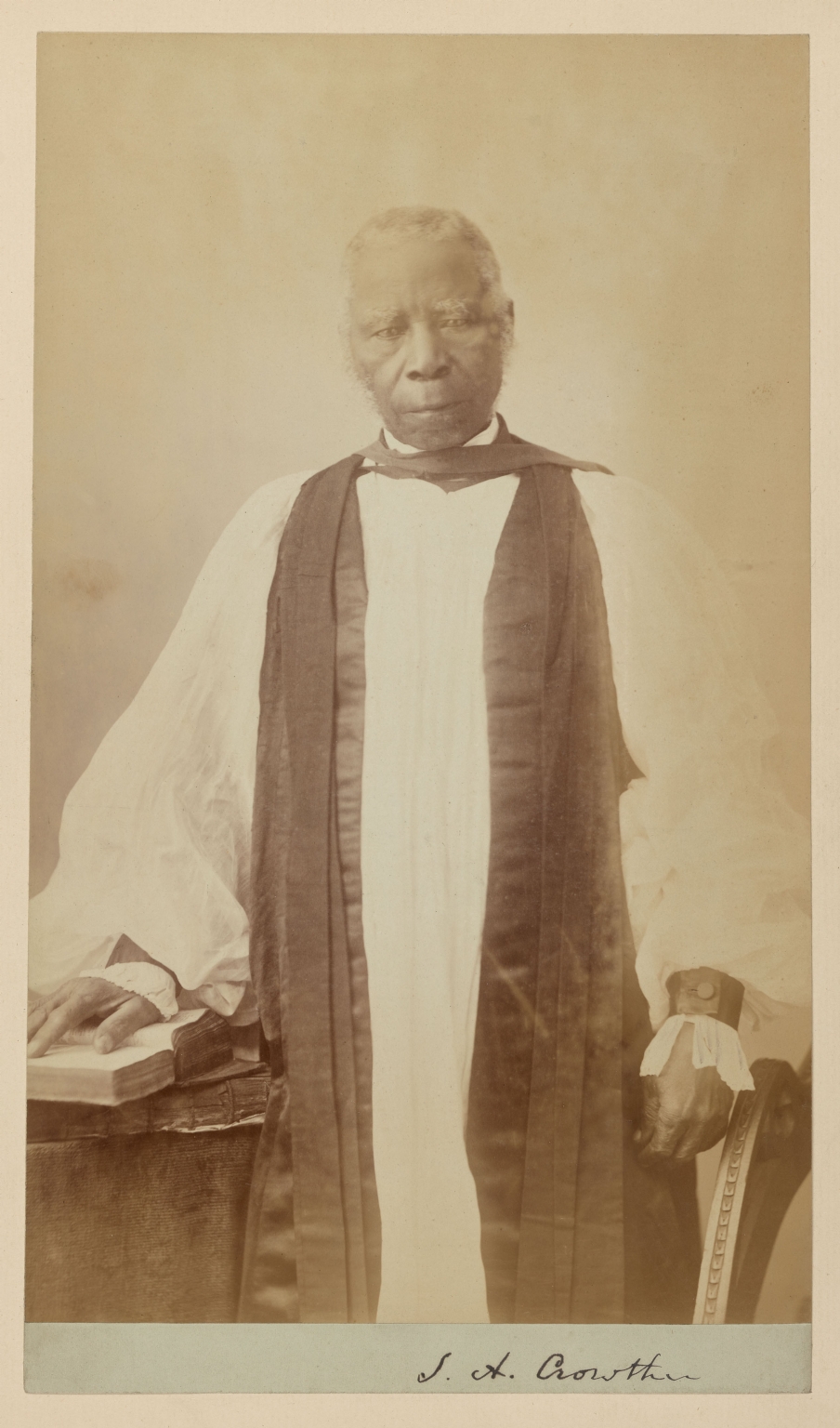
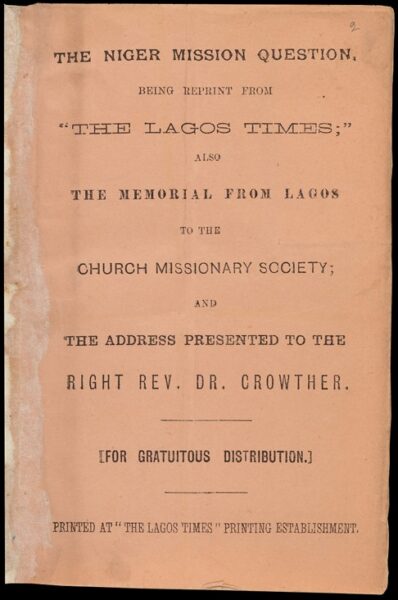
Samuel Ajayi Crowther (1809-1891) was a maritime missionary and linguist who became the first Black Anglican bishop. Born in present-day Oyo State, Nigeria, he was captured as a boy during regional wars and sold into the radicalised system of transatlantic chattel enslavement. While being trafficked to Brazil aboard the Portuguese ship Esmeralda, he and hundreds of others were rescued at sea by the Royal Navy’s HMS Myrmidon and taken to Freetown, Sierra Leone.
In Freetown, Crowther received a Christian education through the Church Missionary Society (CMS) and later travelled to England. Ordained in the Church of England in 1843, he became a distinguished linguist, translating the Bible and the Book of Common Prayer into Yoruba.
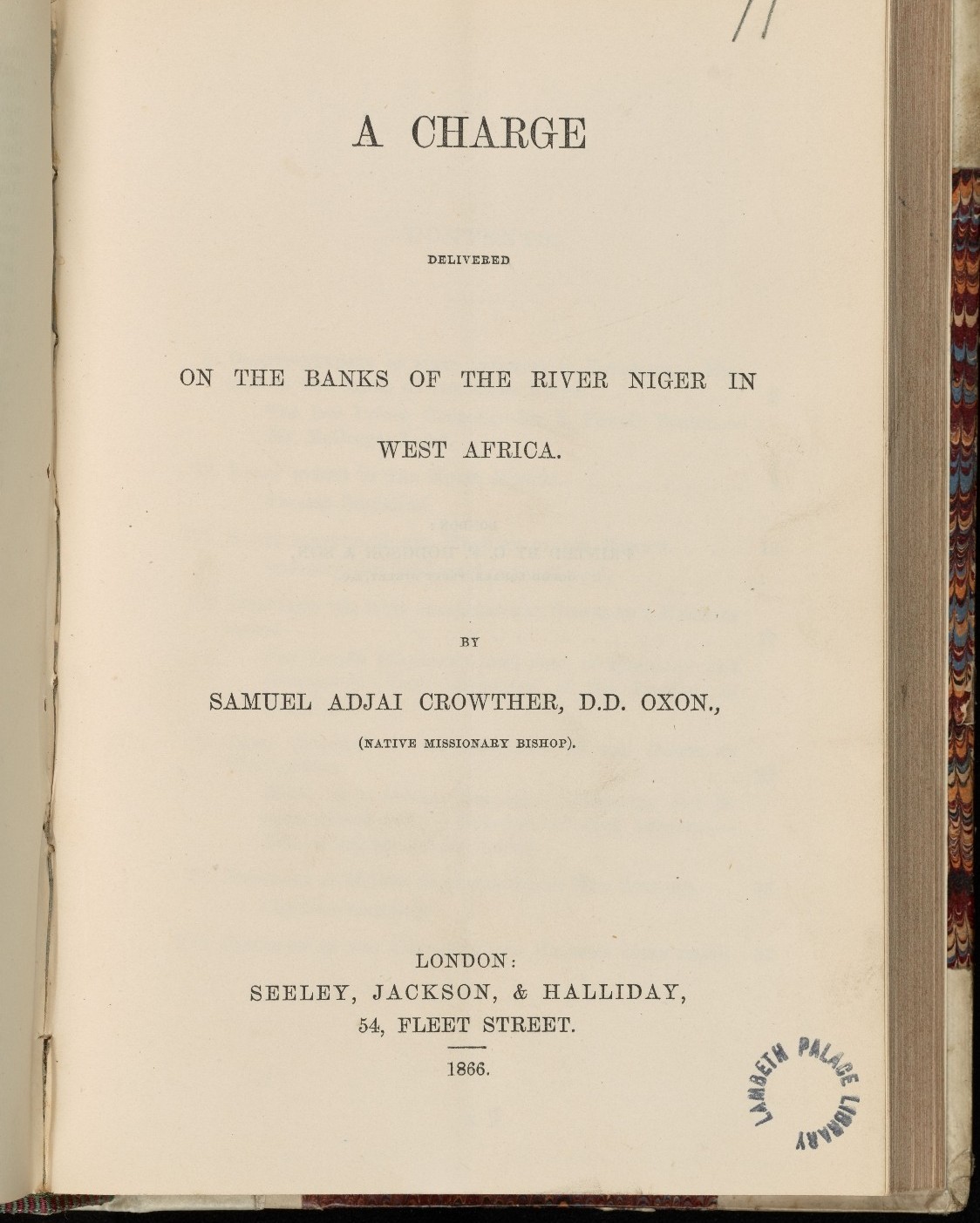
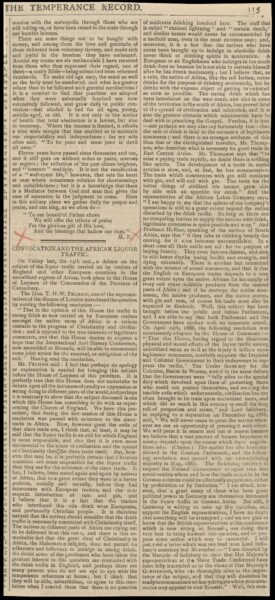
Consecrated Bishop of the Niger at Canterbury in 1864, Crowther led an indigenous mission that travelled extensively by river, establishing Christian communities along the Niger and Benue Rivers. He promoted the CMS policy of ‘the Bible and the Plough’, which combined evangelism, education and trade, reaching new communities across a vast region linked by waterways.
After his death, Crowther was honoured as the ‘Apostle of the Niger’.
London: A Changing Waterfront
The River Thames made London a thriving centre of maritime commerce and naval activity. Yet the waterfront and its surrounding areas were constantly changing. At the start of the nineteenth century, river traffic was transformed by the creation of enclosed docks, such as the East and West India docks. Replacing mid-stream anchorages and reliance on ferrymen, these docks provided sailors with easier access to the shore.
For churches, keen to provide sailors with moral guidance and access to Christian teaching, this was both an opportunity and a challenge. Transient groups of sailors moved between ports, unattached to parish communities. Religious authorities regarded these mariners as particularly susceptible to the temptations of drink and the flourishing sex trade associated with the docklands and the Ratcliffe Highway.
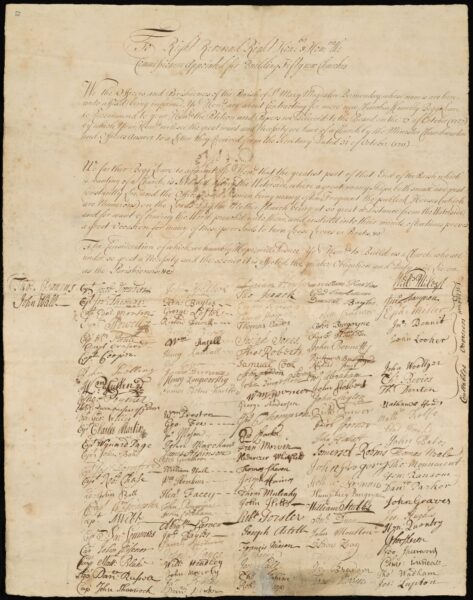
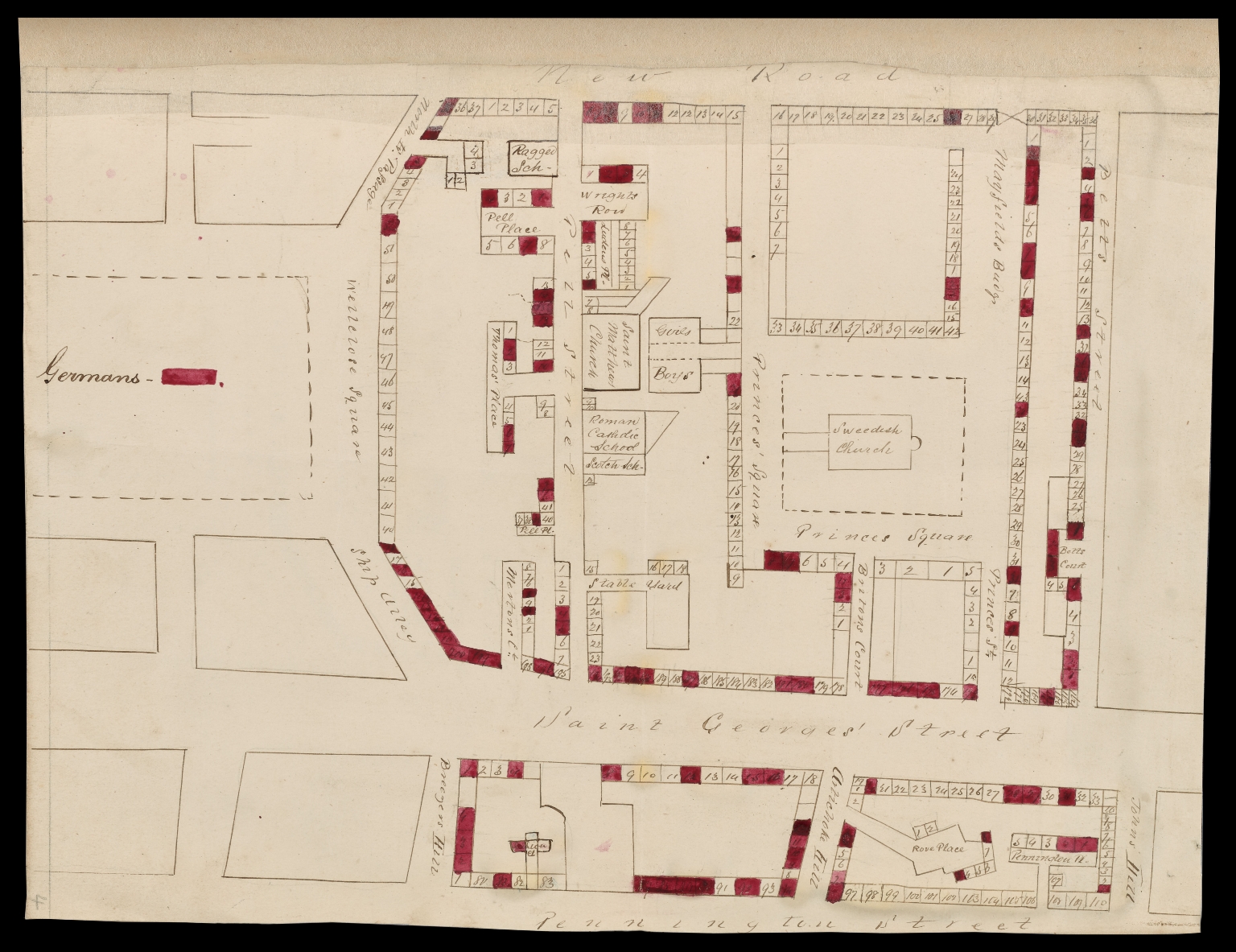
Along both banks of the Thames, more settled communities developed around maritime trades. Many experienced poverty and had limited access to education. In response, the Church of England and other denominations adapted their missionary work to local needs. New churches, chapels and mission halls offered practical support alongside religious instruction. These included reading and sewing classes, as well as services conducted in languages other than English.
This digital exhibition was made using Exhibit.so.
Exhibition images not loading? Try refreshing the page!
